Online Loans for Home Repairs in Canada: Planning for Unexpected Property Expenses
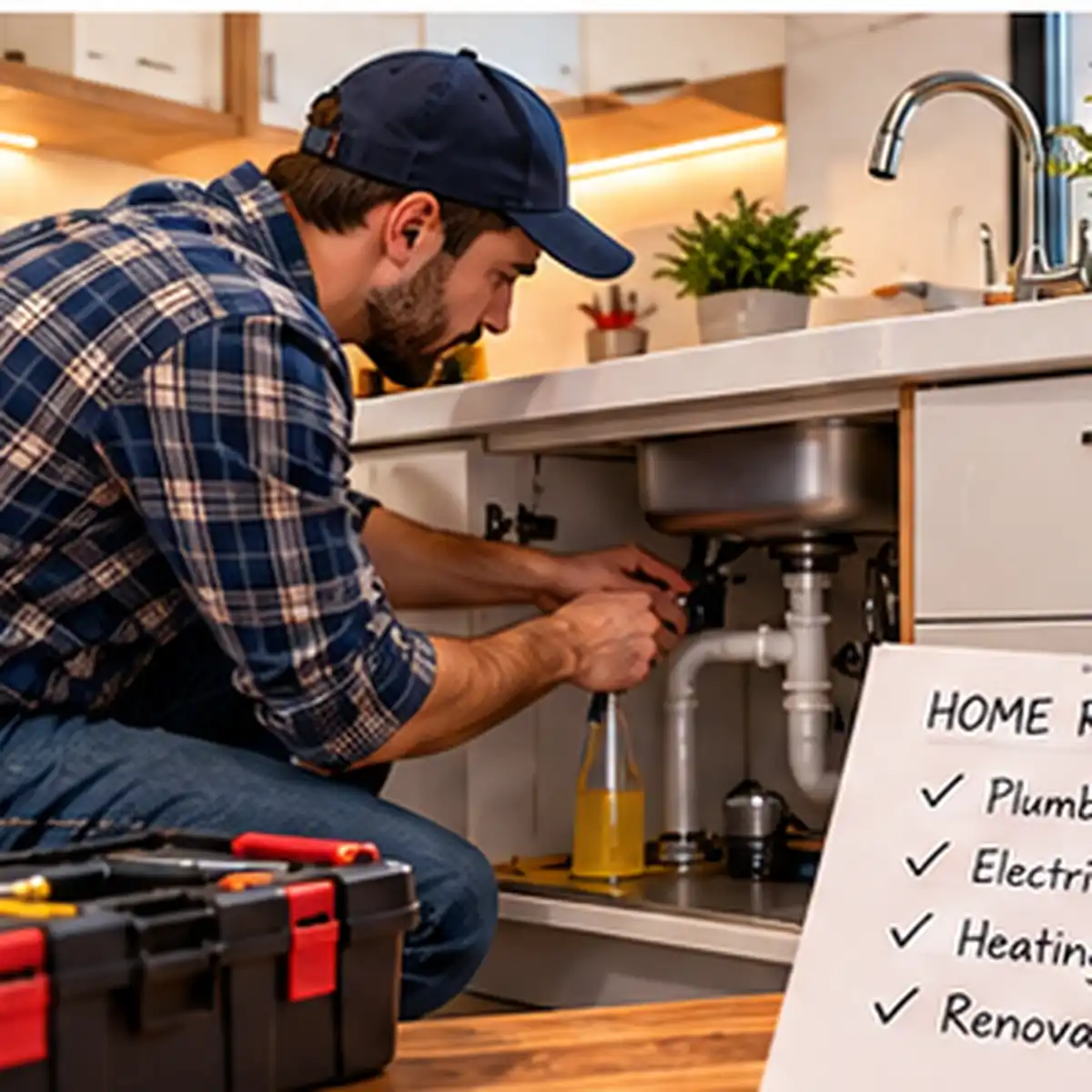
 Owning a home in Canada comes with financial responsibilities that extend beyond the monthly mortgage payment. Plumbing problems, roof damage, heating system failures, and electrical issues can require immediate attention and substantial spending. When repair expenses exceed available savings, homeowners may investigate online loans for home repairs in Alberta as one possible financing option. Before borrowing, it is important to distinguish urgent repairs from optional renovations and evaluate the total financial commitment.
Why Home Repairs Can Be Unexpected
Many household systems operate for years before requiring major attention.
However, equipment and building materials eventually deteriorate.
A leaking water pipe, damaged roof, or malfunctioning furnace may create problems that cannot safely be postponed.
Canadian weather can also place considerable stress on residential properties.
Freezing temperatures, heavy snowfall, spring thawing, and seasonal temperature changes may contribute to maintenance issues.
Homeowners who have not established repair savings can face difficult decisions when an essential system fails.
Distinguishing Repairs From Renovations
Not every home improvement project has the same level of urgency.
Repairing a dangerous electrical problem or restoring essential heating may be necessary to maintain safety and habitability.
Replacing outdated kitchen cabinets or updating decorative finishes is generally less urgent.
This distinction matters when considering borrowing.
Financing an essential repair may address an immediate need, while borrowing for optional improvements creates a payment obligation that might be avoided through additional saving.
Homeowners should determine whether a project can reasonably be postponed.
Obtaining Reliable Contractor Estimates
Before committing to major repairs, obtain written estimates from qualified contractors.
The estimate should describe the proposed work, materials, labour costs, and expected completion arrangements.
For nonemergency projects, comparing multiple estimates can help establish a reasonable price range.
Ask about applicable permits, insurance, warranties, and potential additional costs.
A low estimate should not automatically determine the selection.
The contractor’s qualifications, reliability, and clarity of the agreement are also important.
Understanding Potential Hidden Costs
Certain repairs reveal additional problems after work begins.
Water damage behind a wall, for example, may be more extensive than initially expected.
Roof repairs may uncover damaged materials requiring replacement.
These situations can increase the final cost.
Where possible, include a contingency allowance in the repair budget.
If the project is urgent, discuss how unexpected work will be approved and documented.
Avoid agreeing to open-ended expenses without understanding the possible financial consequences.
Comparing Home Repair Financing Options
Homeowners may have access to several financing products depending on their financial circumstances.
A personal instalment loan can provide a defined amount with scheduled repayments.
An existing line of credit may offer another option for eligible borrowers.
Some homeowners may investigate secured borrowing products, but these can create additional risks because property or other assets may be used as security.
Payday loans are generally poorly suited to larger repair projects because of their high costs and short repayment periods.
A careful comparison should include interest, fees, repayment terms, and total borrowing costs.
Reviewing Insurance Coverage
Before paying for repairs related to an unexpected event, check whether the damage may be covered by a home insurance policy.
Certain types of sudden damage may qualify for coverage, subject to policy conditions and exclusions.
Routine maintenance and gradual deterioration are often treated differently.
Contact the insurer to clarify whether a claim may be appropriate.
Consider the deductible and any potential effect of making a claim.
Understanding available coverage can help determine the amount of financing actually required.
Creating a Home Maintenance Fund
Homeowners can reduce future financial pressure by saving regularly for property maintenance.
A dedicated account may help cover appliance replacements, plumbing work, roof repairs, and other expenses.
The savings target should reflect the property’s age, condition, and likely maintenance requirements.
Regular inspections and preventive maintenance can also help identify problems before they become more expensive.
Protecting Your Home and Financial Stability
Essential repairs may require prompt attention, but financing decisions should still be evaluated carefully.
Compare contractor estimates, review insurance possibilities, and calculate repayment affordability.
Avoid borrowing more than the realistic cost of the work.
For Canadian homeowners, a responsible approach combines necessary maintenance with financial planning that protects the household budget.